


Category
ExhibitsLiving in Egopolis
The contemporary city promises security, order, continuity.
It offers comfort, speed, protection.
In return, it asks for constant presence, adherence, registration.
Every gesture is traceable.
Every identity is defined.
Every role follows a precise rhythm.
Within the steady flow of architecture and surfaces, human beings adapt to imposed tempos. Repetition becomes habit. Habit becomes a way of life.
Freedom is not denied: it is organized.
Silence does not disappear: it is covered.
Cities expand, distances shrink, yet contact grows rare. The space between bodies narrows, while inner experience fragments.
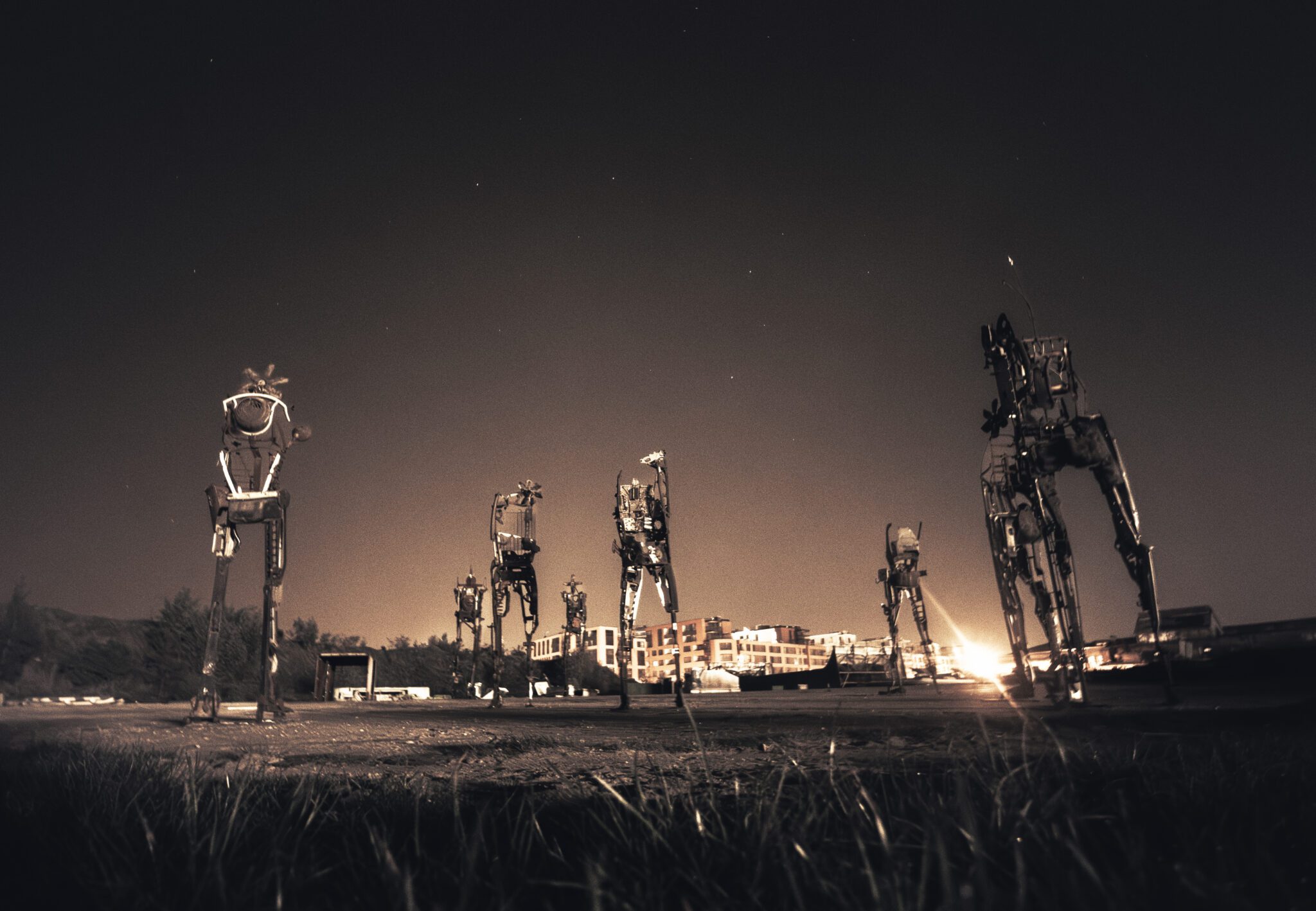
Beyond illuminated boundaries, nature remains — not as opposition, but as the memory of another rhythm.
Living in Egopolis observes this condition without judgment.
The city is not an enemy, but a mirror.
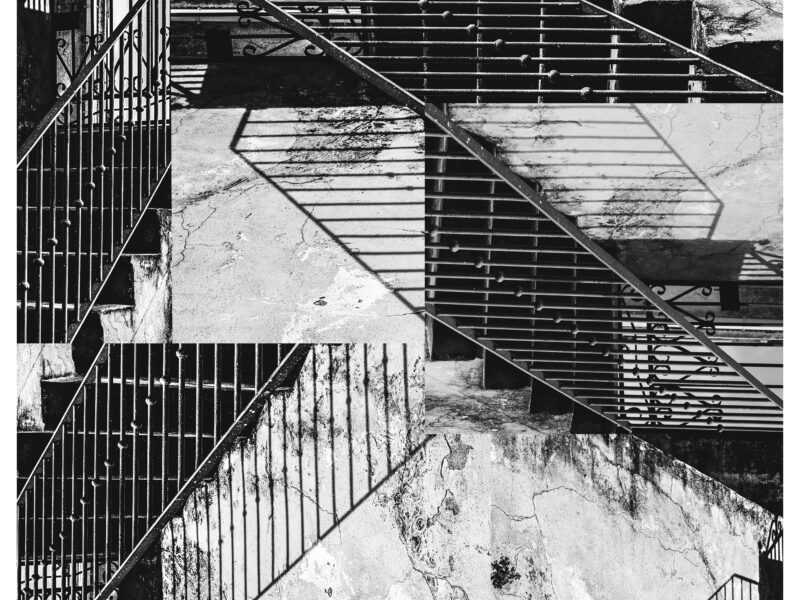
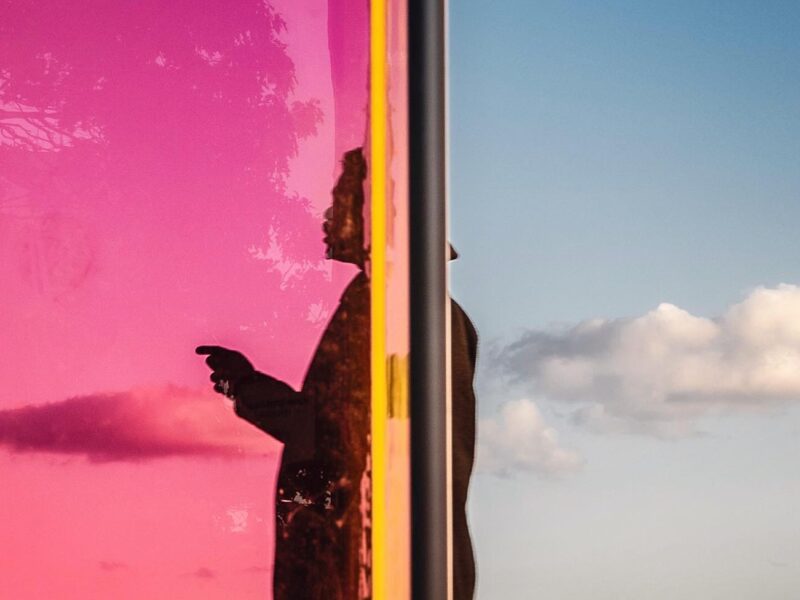
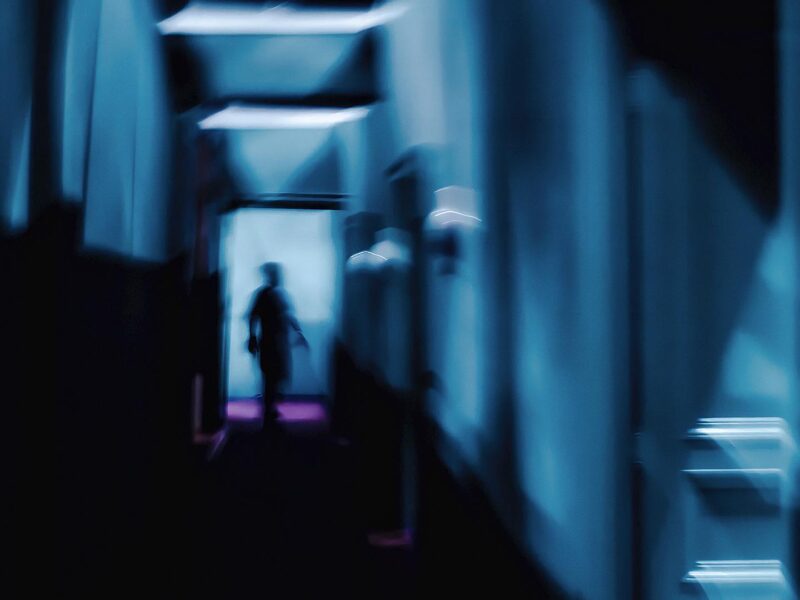
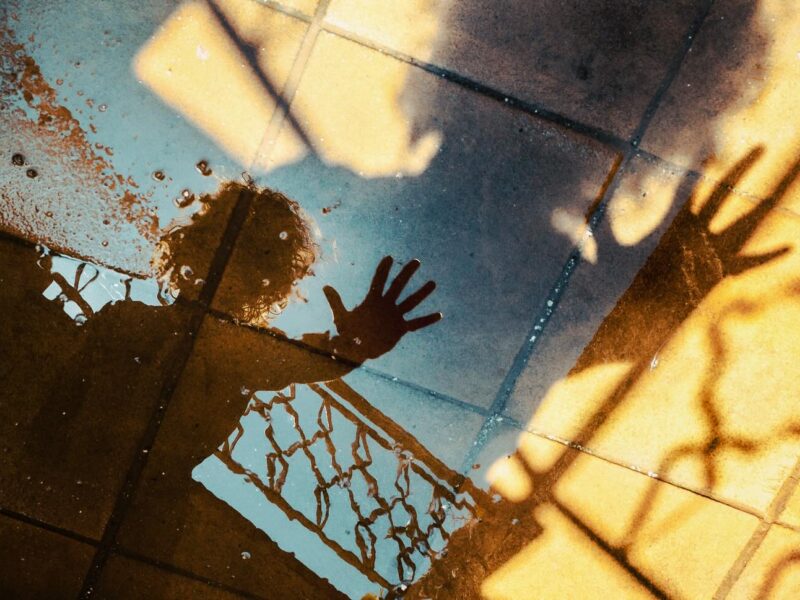
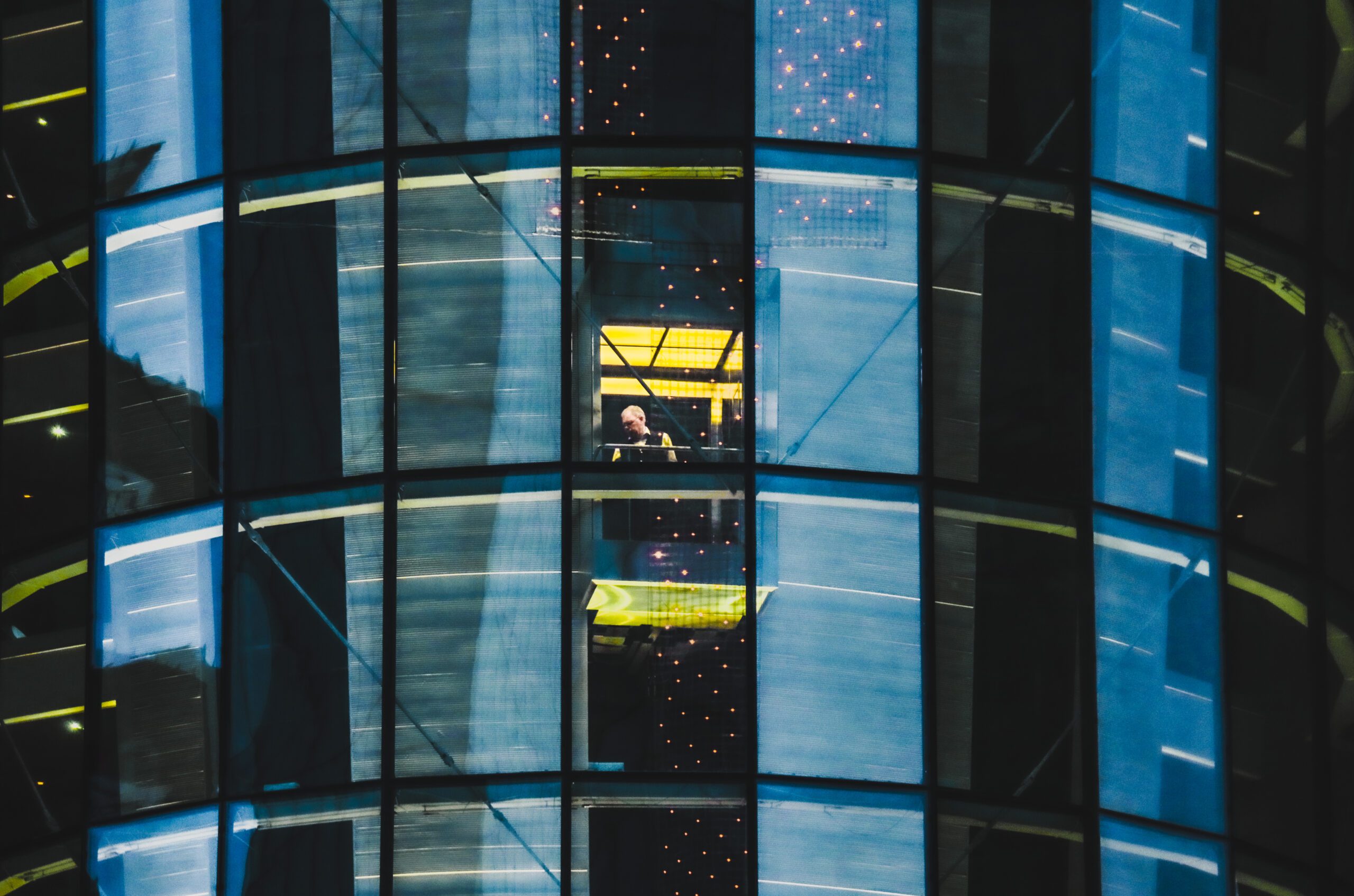
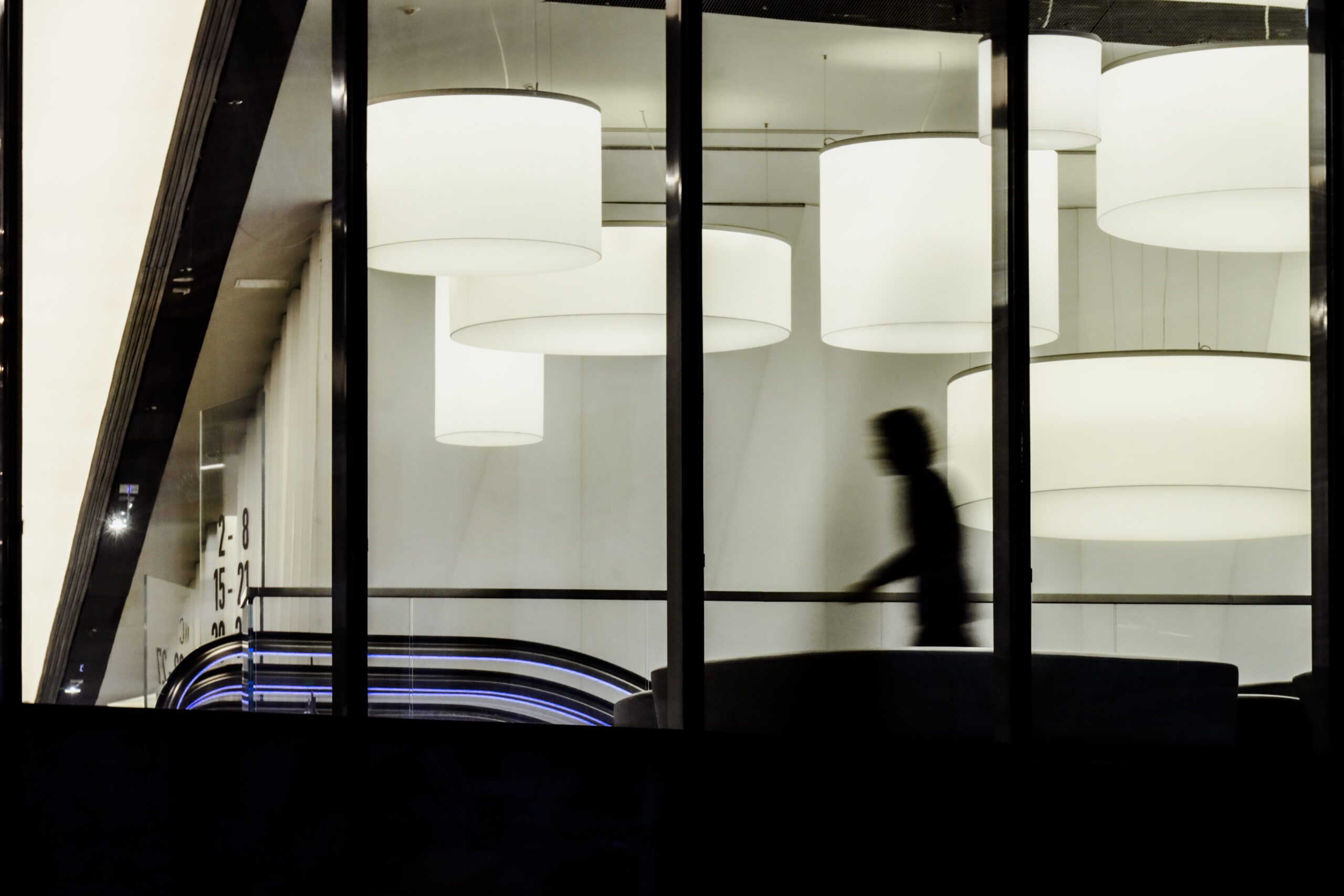
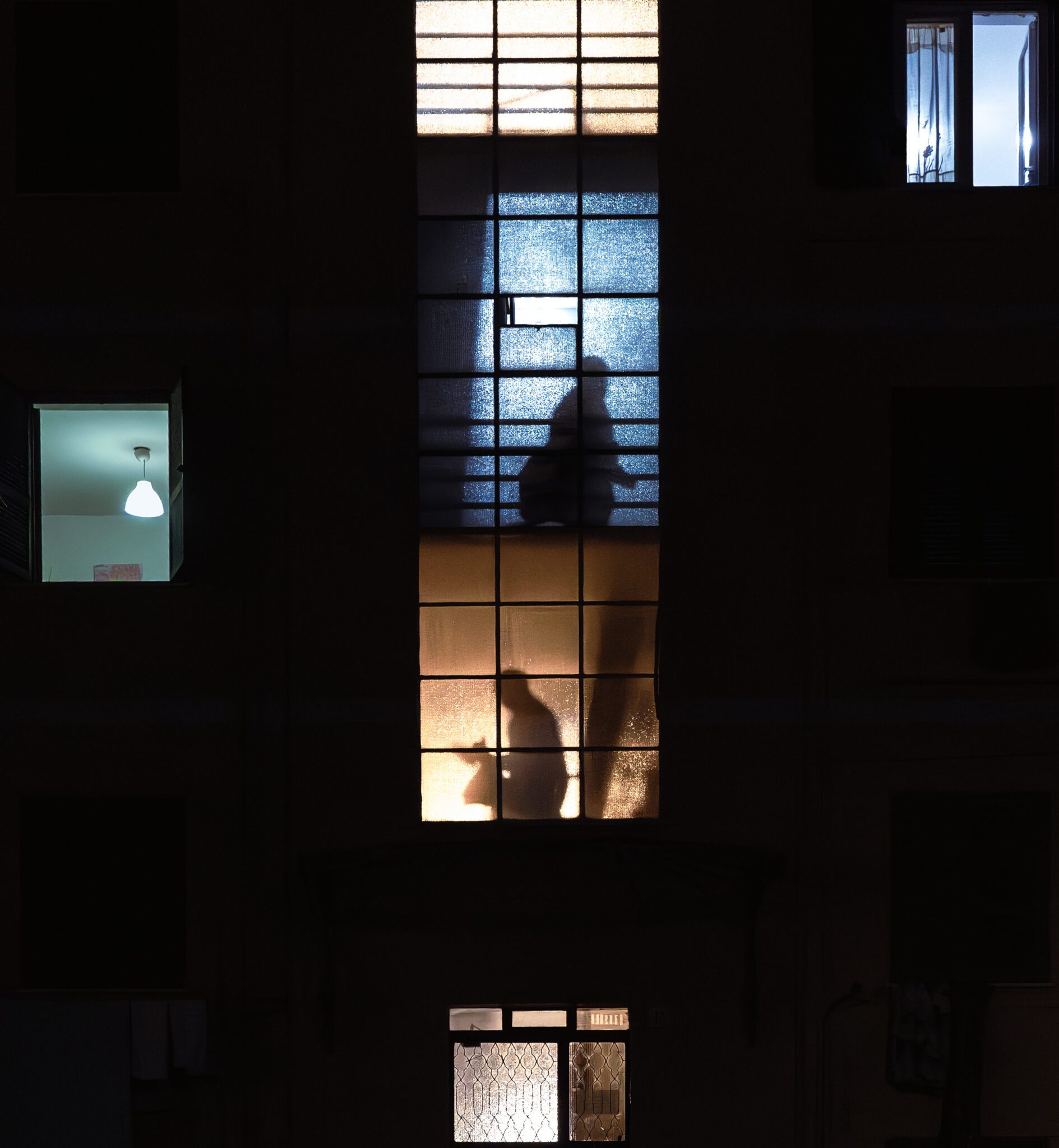
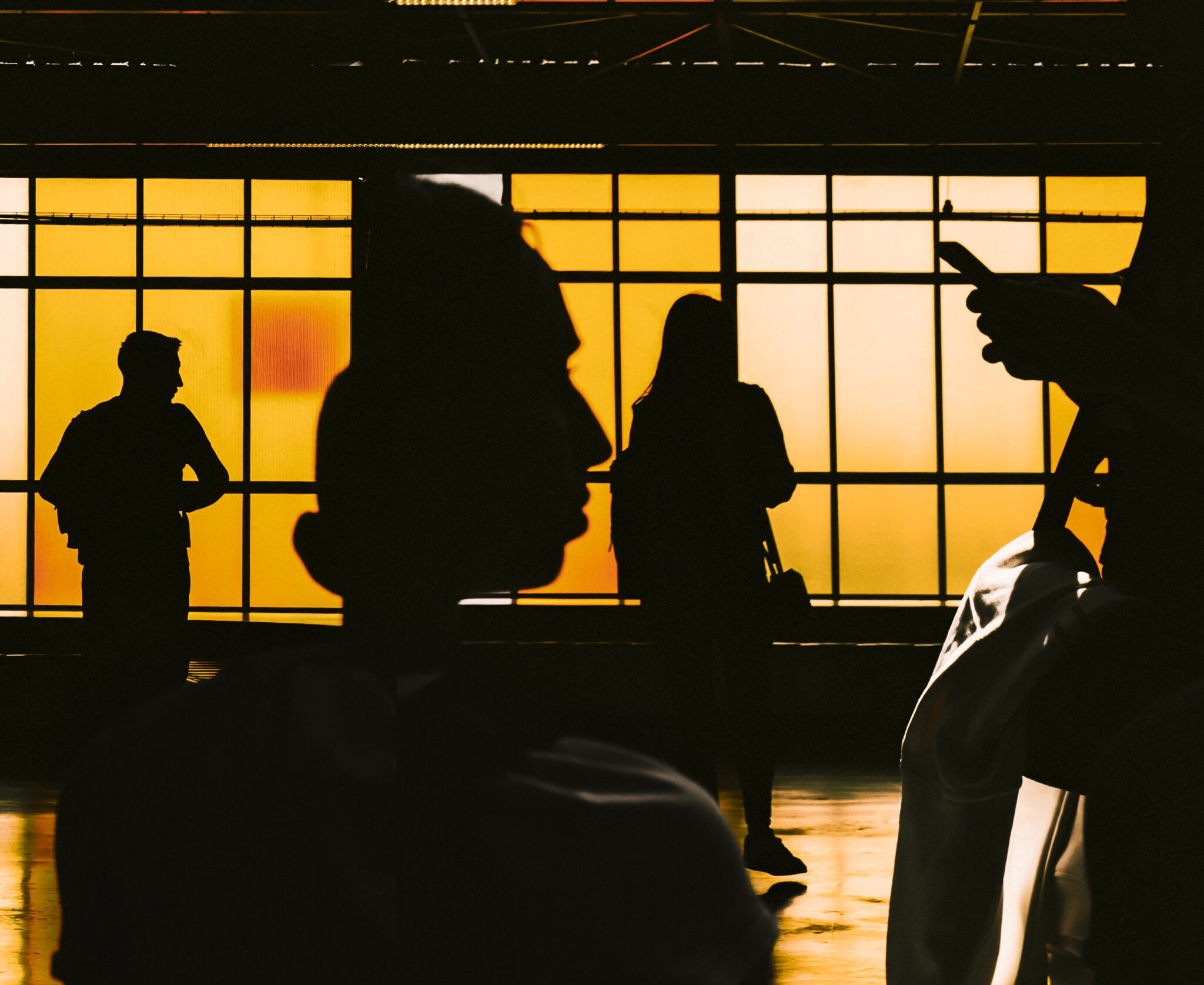
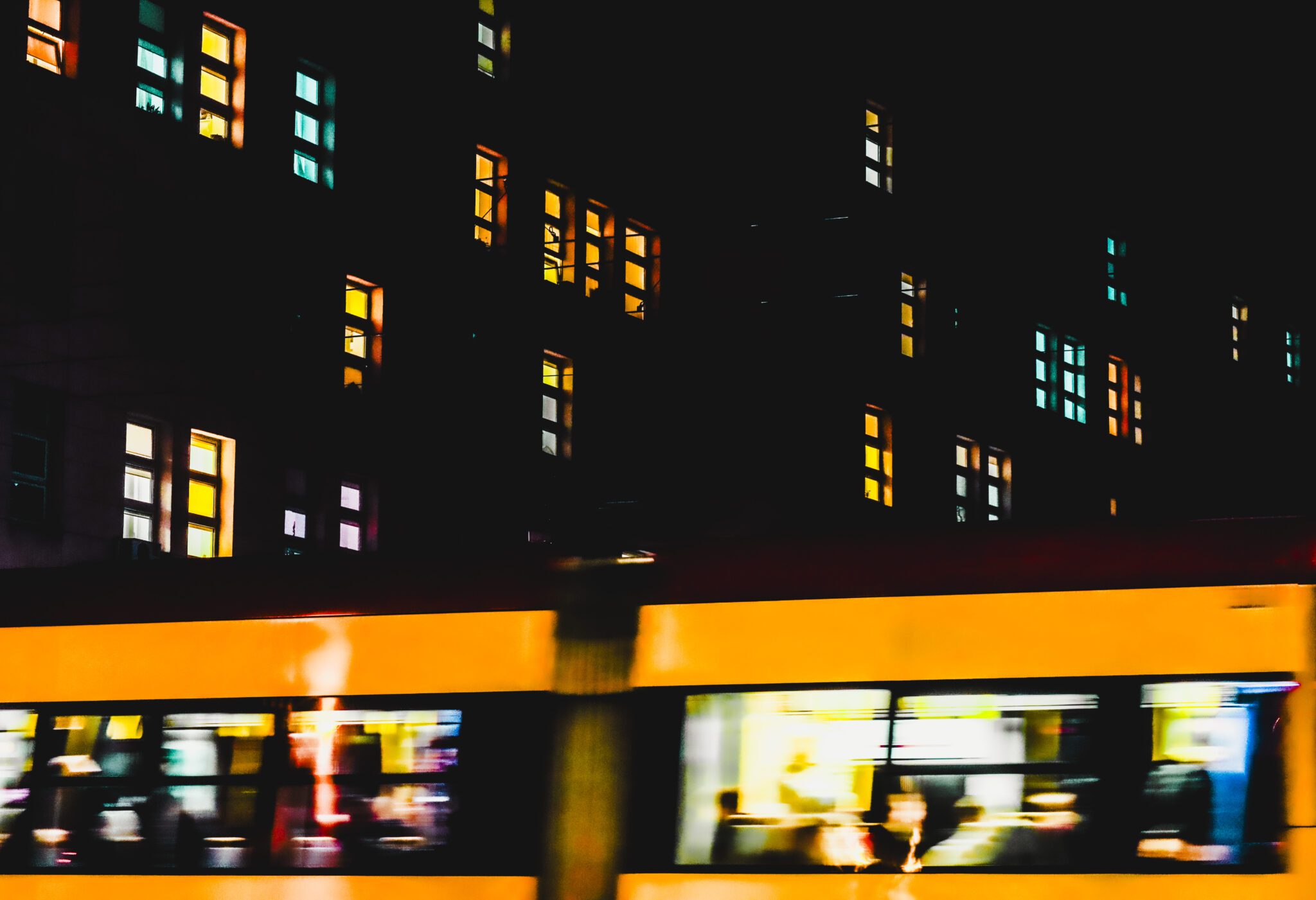
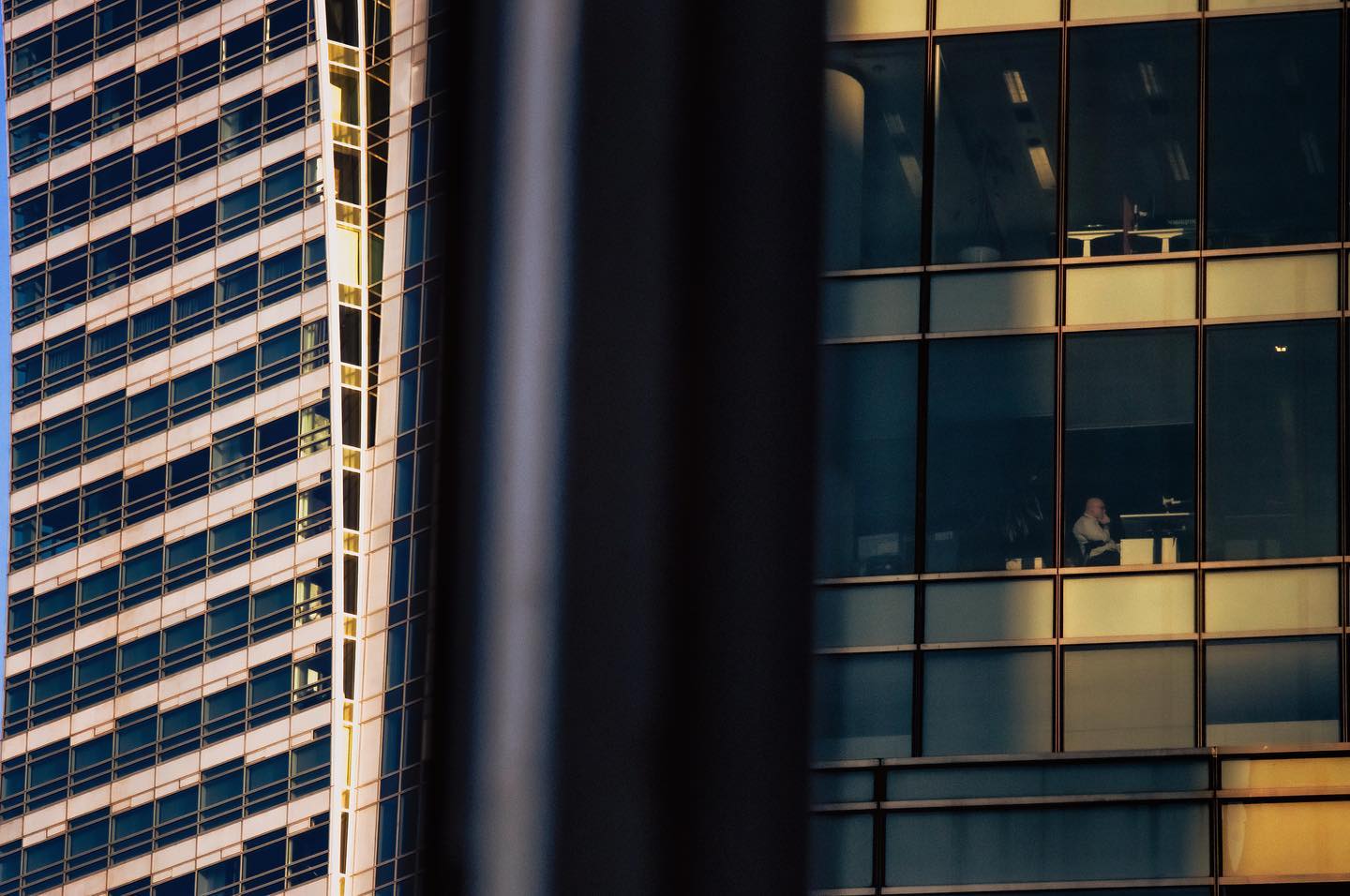
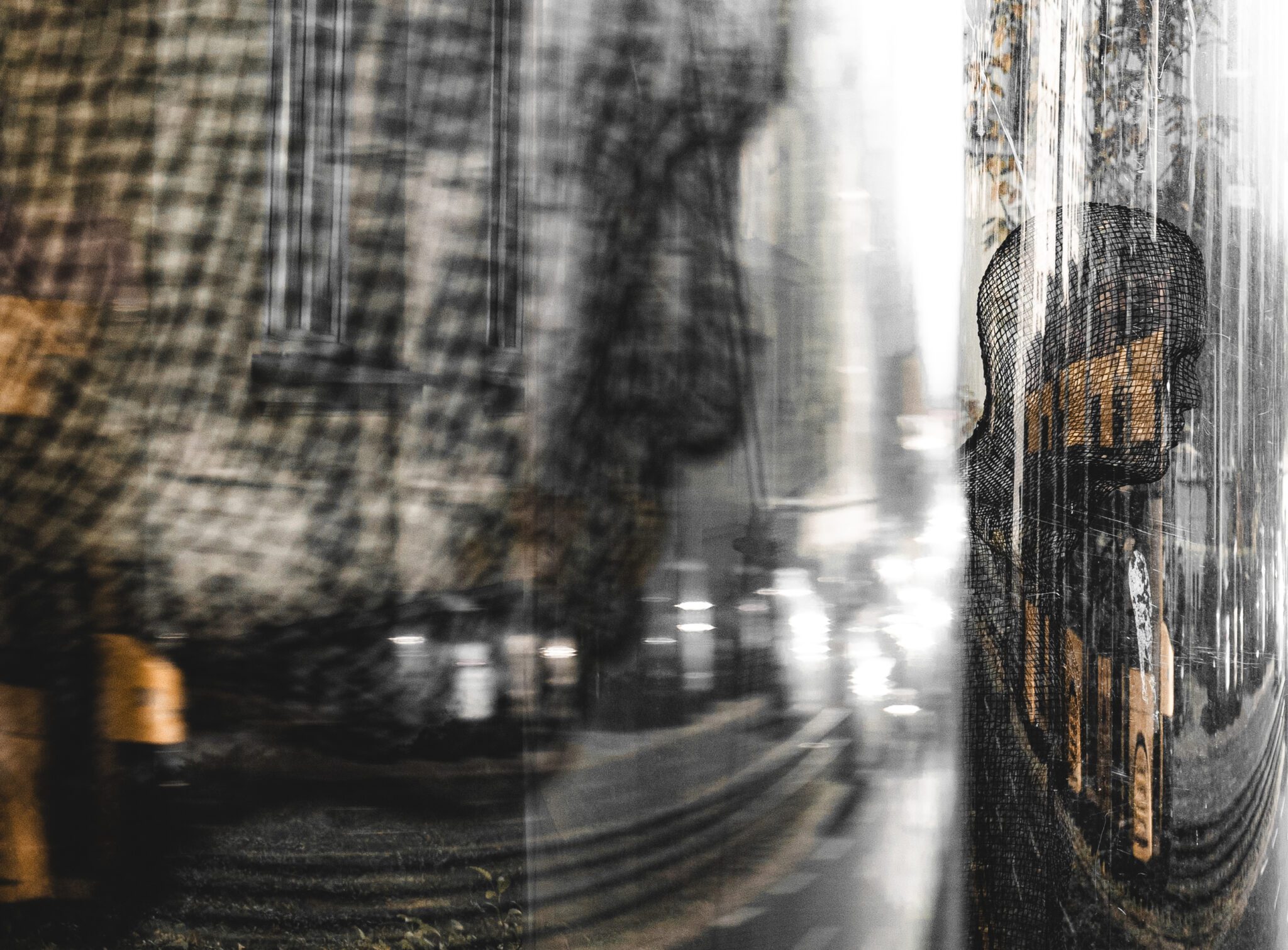
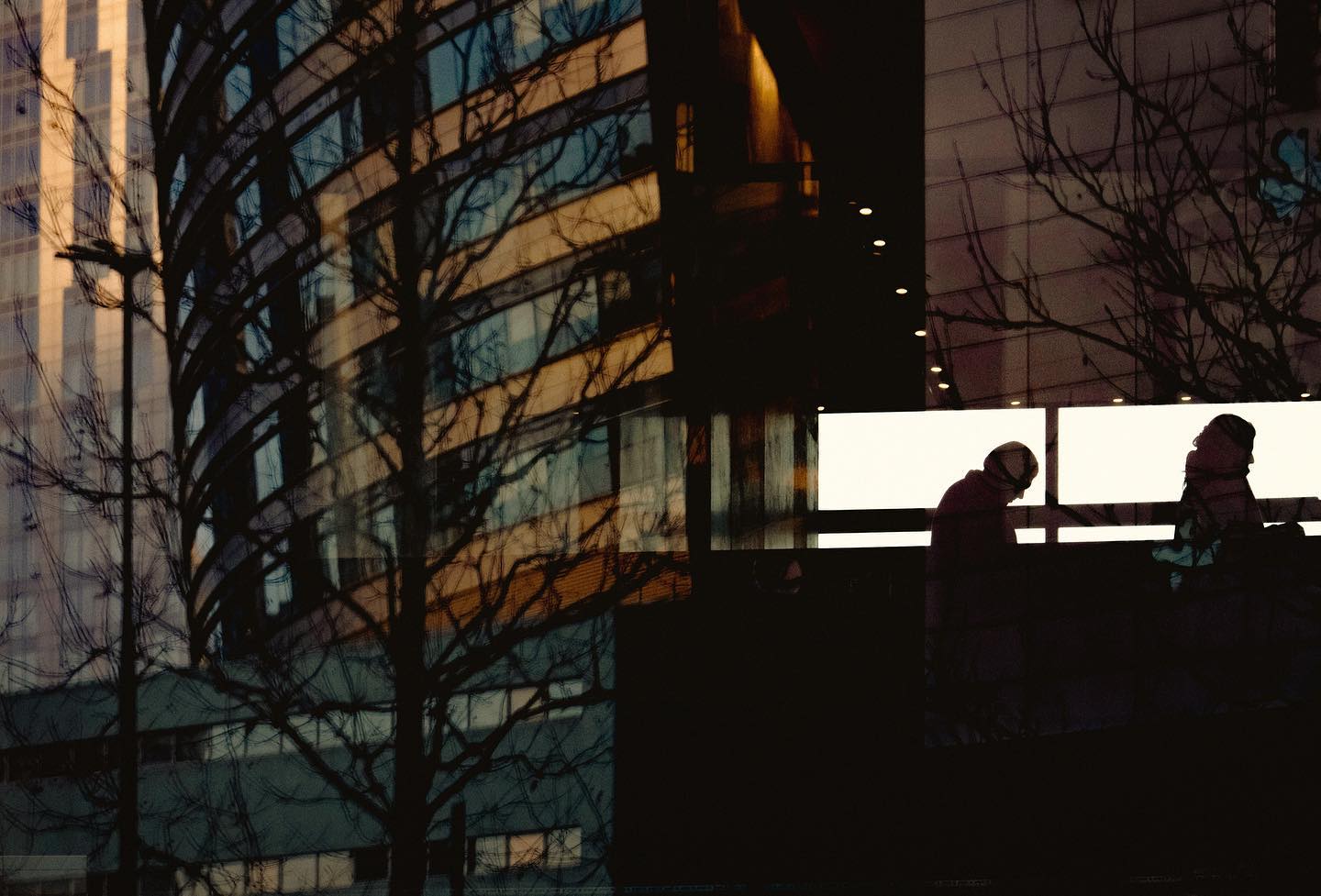
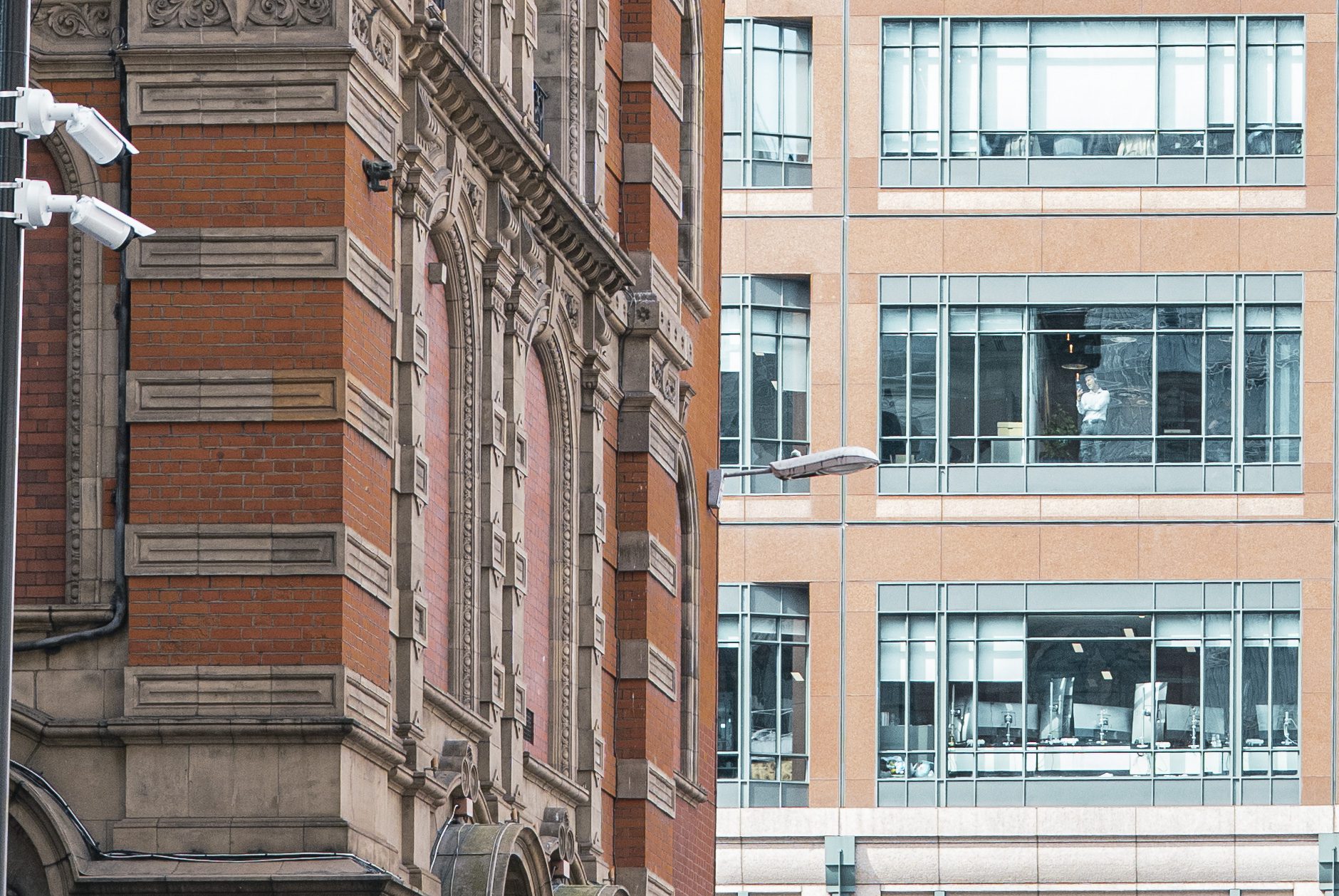
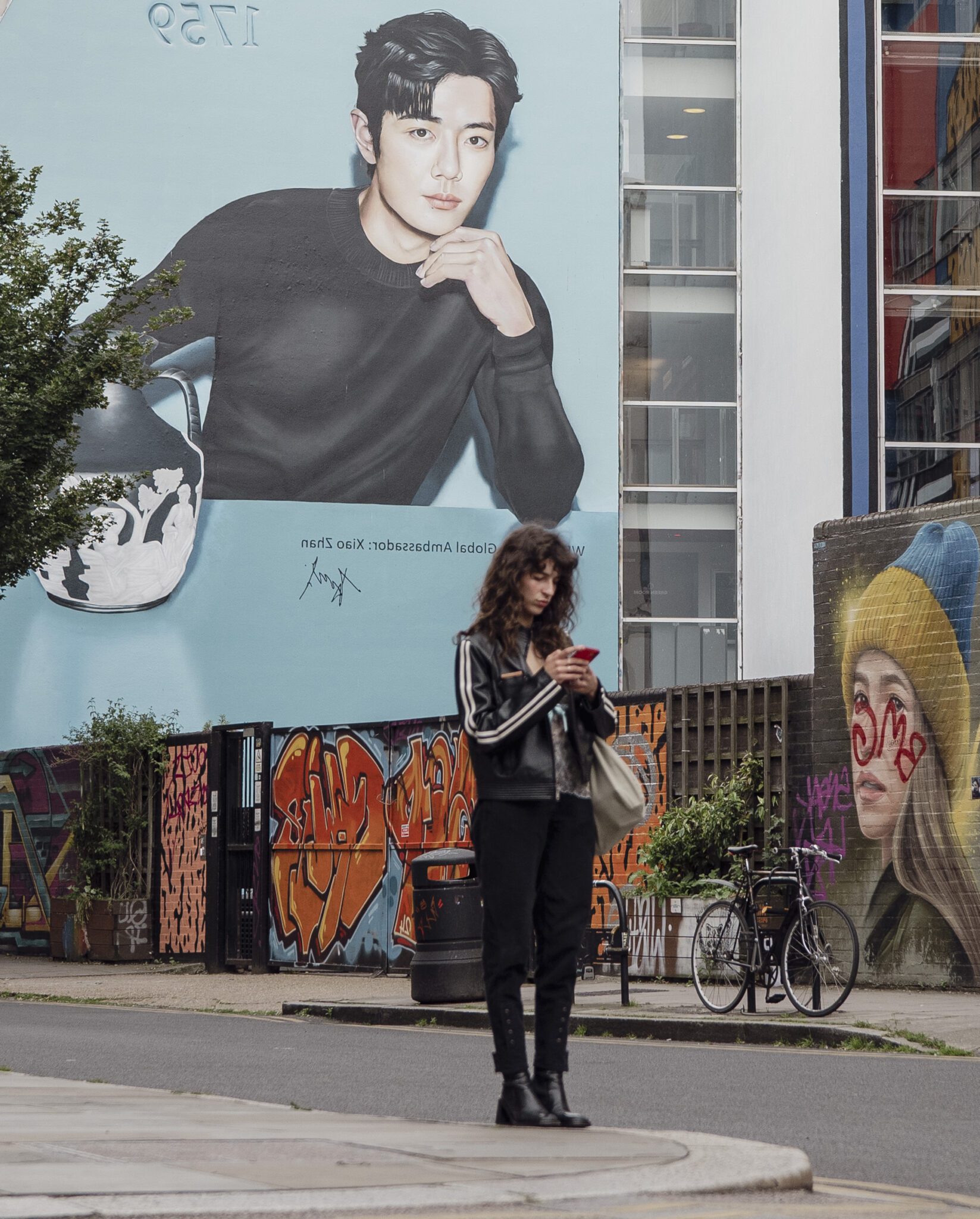
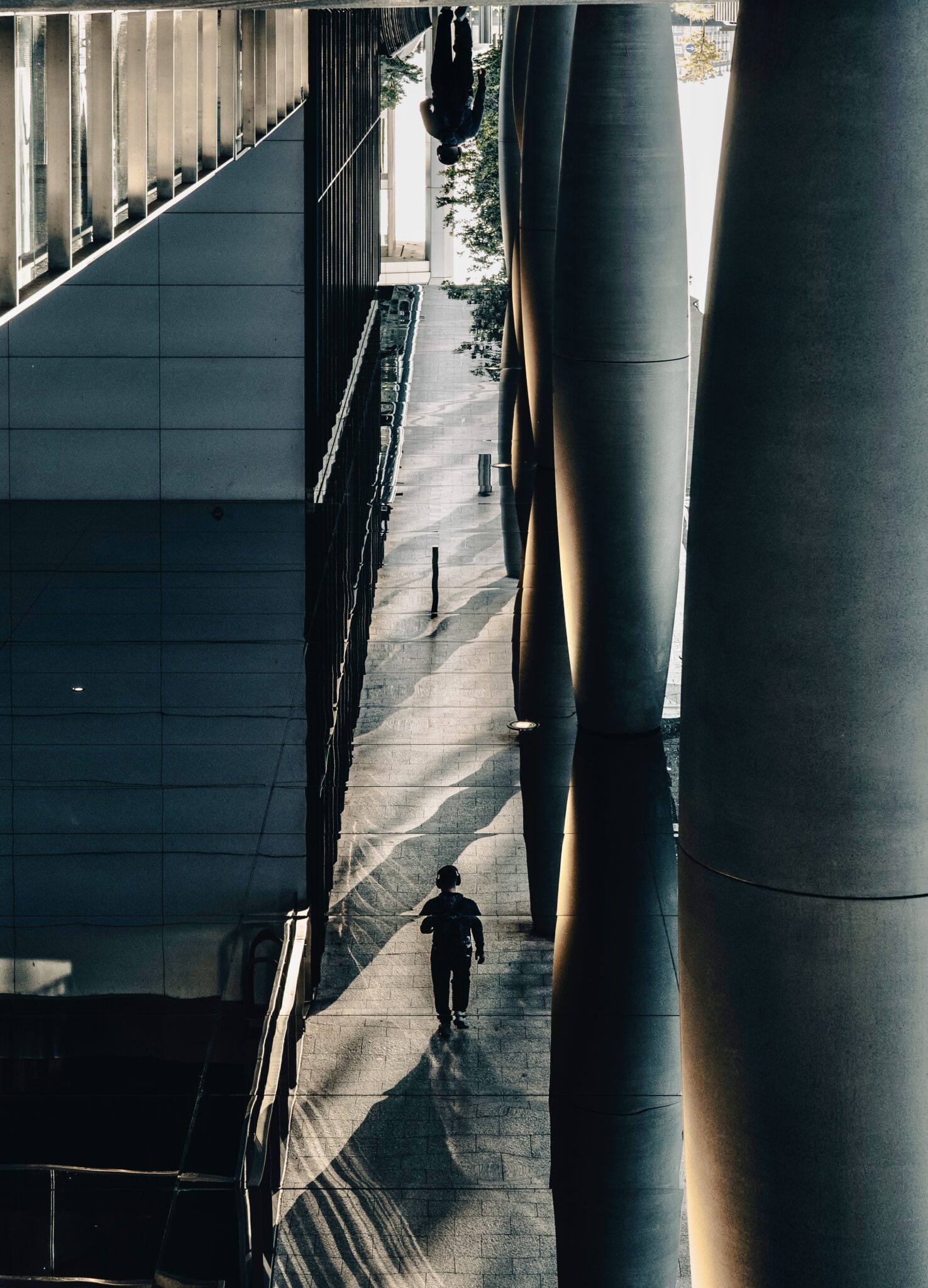
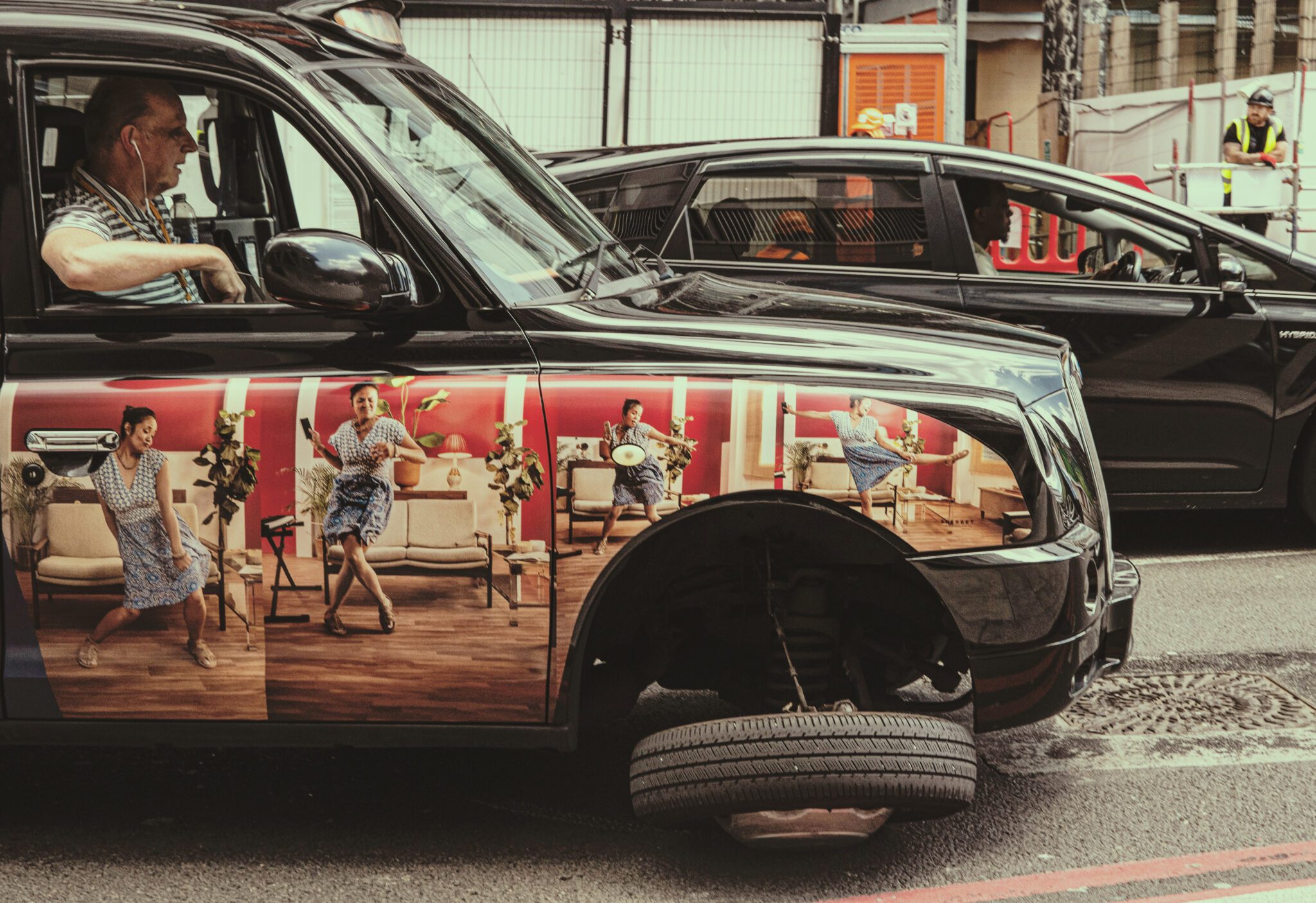
Artificial light, repetitive geometries, reflective surfaces, and solitary presences construct a landscape suspended between comfort and distance, belonging and absence.
It is not a denunciation.
It is an invitation to slow the gaze.
To recognize what structures our time.
And to ask which rhythm we choose to inhabit.